Maximize Your Fishing Potential: The Ultimate Jerkbait Rod for Enhanced Performance and Precision
Choosing the right jerkbait rod is crucial. It is essential to fishing success, especially when targeting predatory species. A quality rod boosts accuracy and effectiveness in casting and retrieval. Understanding the nuances of jerkbait fishing demands knowledge of rod specifications and features. As anglers work to improve their techniques, the right equipment can prove invaluable. What should one consider when choosing the best jerkbait rod?
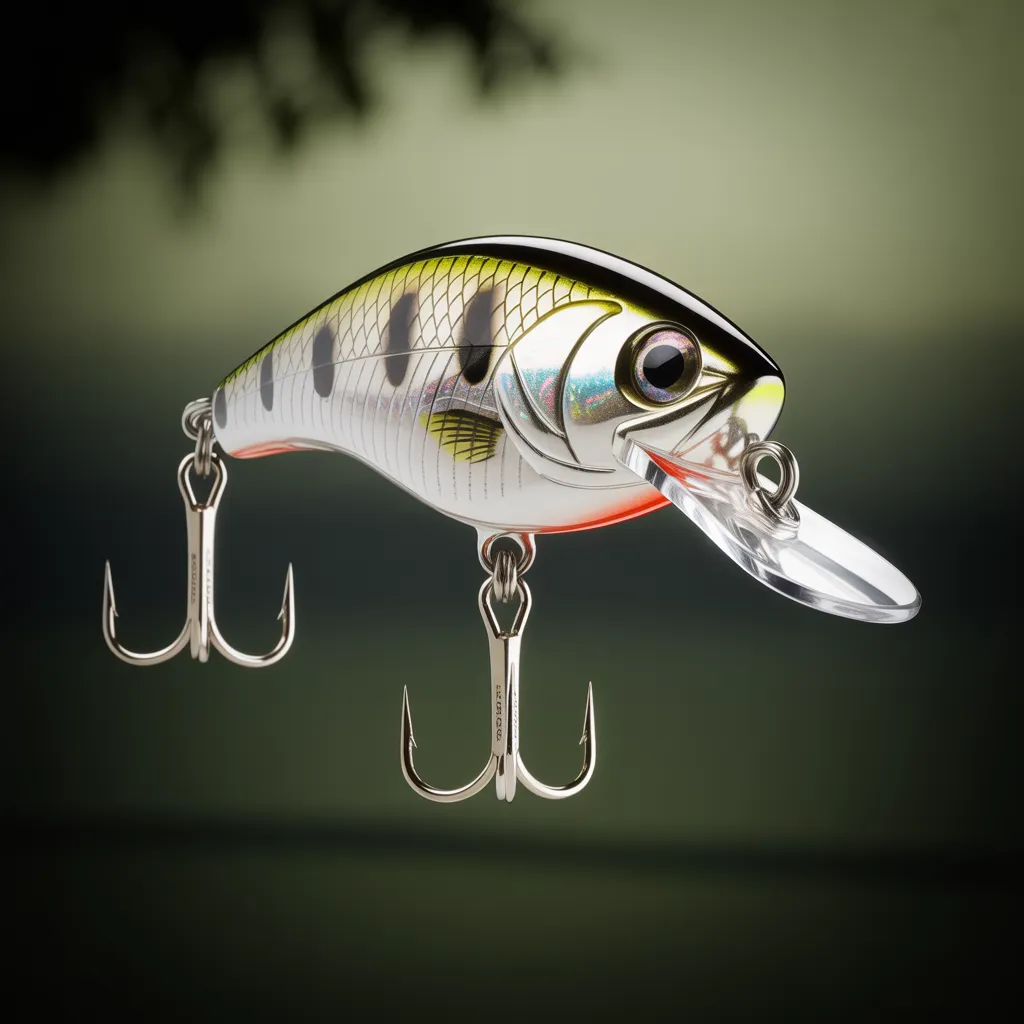
Learning About Jerkbaits and Their Method
Although countless anglers could be acquainted with diverse fishing approaches, understanding jerkbaits and their effective use is essential for achieving success in targeting specific species. Jerkbaits are engineered to replicate struggling forage fish through sharp, irregular motions, making them remarkably successful for catching hunting species including bass and pike. The technique consists of jerking motions followed by pauses, enabling the bait to dash and then hang, provoking fish to bite.
The timing and rhythm prove vital; a properly-timed jerk can trigger a reaction from surrounding fish. Anglers often change the velocity and vigor of their jerks depending on water conditions and fish behavior. In addition, choosing the right jerkbait—whether it be shallow-running or deep-running—can significantly impact success. Ultimately, becoming proficient in jerkbait techniques calls for practice and observation, helping anglers to fine-tune their approach and improve their catch rates.
Important Attributes of an Ideal Jerkbait Rod
An ideal jerkbait rod is specially engineered to maximize the performance of the jerkbait method, guaranteeing anglers to achieve peak performance on the water. Essential attributes include a medium to medium-heavy power rating, which provides the essential backbone to handle larger fish while preserving sensitivity for subtle strikes. A fast action tip is vital, enabling rapid response during erratic retrieves, essential for replicating the wounded baitfish that jerkbaits are intended to replicate.
Rod length typically spans from 6 to 7 feet, establishing a balance between casting distance and control. Light construction enhances ease of handling, reducing fatigue during extended fishing sessions. In addition, a comfortable grip is important, ensuring a secure hold during aggressive retrieves. In the end, these features unite to create a rod that maximizes precision and enhances the overall jerkbait fishing experience.
The Material Factor: Graphite Versus Fiberglass
When choosing a jerkbait rod, the selection of material—graphite or fiberglass—plays an essential role in performance. Graphite offers advantages in lightness and feel, while fiberglass is known for its toughness and flex. Understanding the balance between cost and performance can guide anglers in making the ideal decision for their fishing needs.
Weight and Sensitivity Variations
Choosing between graphite and fiberglass materials greatly impacts the weight and sensitivity of jerkbait rods. Graphite rods are typically lighter, providing easier handling and longer casting distances. Their construction also enhances sensitivity, allowing anglers to detect subtle bites and changes in water conditions with precision. In contrast, fiberglass rods are usually heavier and less sensitive, which may hinder the ability to feel light strikes. However, they provide a more forgiving action, making them suitable for beginners. Ultimately, the decision copyrights on personal preferences and fishing styles. Anglers seeking increased sensitivity and lightweight performance may gravitate towards graphite, while those prioritizing a more robust feel may select fiberglass options in their jerkbait fishing endeavors.
Durability and Flexibility Comparison
Whereas both graphite and fiberglass rods have their advantages, the distinctions in durability and flexibility are crucial for anglers to evaluate. Graphite rods are recognized for their lightweight and sensitivity, permitting for quick, responsive actions. However, they can be more susceptible to breaking under extreme stress or impact. In contrast, fiberglass rods offer exceptional durability, often withstanding more severe conditions and rough handling, making them perfect for beginners or those fishing in demanding environments. Flexibility also changes; fiberglass tends to provide a slower action, which can boost casting distance and lure control. Ultimately, the choice between these materials depends on the angler's style and fishing conditions, balancing the need for responsiveness against the desire for toughness.
Performance and Cost Balance
Expense and capability frequently correlate when choosing a fishing rod, especially between graphite and fiberglass choices. Graphite examine now rods are typically more expensive but offer outstanding sensitivity and lightweight performance, making them excellent for accurate jerkbait fishing. Anglers can feel even the smallest bites, boosting their responsiveness. On the other hand, fiberglass rods are generally more economical and deliver outstanding durability and flexibility, appealing to those who emphasize resilience over sensitivity. While they may miss the finesse of graphite, fiberglass rods shine in strength, making them appropriate for various fishing conditions. In the end, the selection between graphite and fiberglass relies on balancing budget constraints with individual performance needs, guaranteeing anglers pick the best rod for their fishing style.
Performance and Capability: Selecting the Right Specifications
Choosing the proper action and power specifications for a jerkbait rod is essential for successful fishing. Action refers to the rod's flexibility and responsiveness, affecting how quickly it bends during use. Fast action rods bend mostly at the tip, providing quick hook sets and increased sensitivity, while moderate action rods present more versatility and a softer feel, well-suited for working jerkbaits at multiple speeds.
Power, in contrast, denotes the rod's strength, designated as light, medium, or heavy. A medium power rod is generally recommended for jerkbait fishing, delivering a balance between sensitivity and backbone, helping anglers to handle different species effectively.
Eventually, the right combination of action and power helps anglers to attain optimal performance, making sure that the jerkbait is shown precisely and enticingly to fish. Grasping these specifications can substantially enhance the fishing experience and boost the possibility of a successful catch.
Premier Jerkbait Rods Available
When selecting a jerkbait rod, anglers should review some of the premier brands that consistently receive high ratings for effectiveness and durability. Key features such as rod action, power, and material composition play a crucial role in elevating the fishing experience. This guide will showcase the top options available on the market today.
Best Jerkbait Rod Brands
Locating the right jerkbait rod can substantially enhance a fishing experience, as the right equipment allows for better control and precision during casting. Numerous brands excel in the competitive jerkbait rod market. Shimano is renowned for its innovative designs and high-quality materials, catering to both beginner and experienced anglers. St. Croix provides a variety of rods known for their sensitivity and responsiveness, ideal for detecting subtle bites. Abu Garcia combines affordability with performance, making it a favorite among budget-conscious fishermen. G. Loomis is celebrated for premium rods that excel in action and strength, appealing to serious enthusiasts. Finally, Daiwa delivers a range of options that balance weight and durability, ensuring peak performance on the water.
Key Features to Consider
Grasping the essential features of jerkbait rods is crucial for anglers aiming to enhance their fishing experience. First, rod length plays a crucial role; typically ranging from 6 to 8 feet, it affects casting distance and accuracy. Additionally, the rod's action—fast, medium, or slow—impacts sensitivity and hook-setting capacity. A fast action rod is often preferred for jerkbait techniques, enabling swift, responsive movements. The material used, such as graphite or fiberglass, affects weight and durability, with graphite offering sensitivity and fiberglass providing strength. Ultimately, considering the rod's power rating guarantees it can handle the size and weight of the fish being targeted. By assessing these features, anglers can pick the best jerkbait rod for their specific needs.
Recommendations for Maximizing Your Jerkbait Fishing Experience
A few strategic adjustments can greatly enhance the jerkbait fishing experience. First, picking the right rod is crucial; a medium to medium-heavy action rod delivers the perfect balance between sensitivity and power. Next, anglers should pay attention to their line choice. Using a braided line with a fluorocarbon leader improves sensitivity and minimizes visibility, improving bite detection and hook sets.
Additionally, varying the retrieve speed and adding pauses can prompt strikes from cautious fish. Working with different jerkbait colors and sizes will also assist in establish what works best in specific conditions.
Finally, fishermen should think about the time of day and weather situations; early mornings and overcast skies days frequently produce better results. By applying these strategies, those who fish can maximize their success and satisfaction while jerking baits, ultimately leading to a more productive trip on the water.
Popular Questions
What Jerkbait Rod Length Is Best for Beginners?
For beginners, a jerkbait rod length of 6-7 feet is perfect. This range offers a balance between casting distance and control, making it easier to master fishing methods while improving overall fishing experience and performance.
How Should I Care for My Jerkbait Rod to Maximize Its Lifespan?
To keep a jerkbait rod for longevity, consistently clean it after use, look for damages, store it properly, prevent exposure to extreme temperatures, and regularly inspect guides and reel seats to maintain maximum functionality.
Is It Possible to Use a Jerkbait Rod for Other Fishing Techniques?
Yes, a jerkbait rod can be used for other fishing techniques. Its adaptable nature enables fishermen to use it with different lures and approaches, making it suitable for topwater lures, spinnerbaits, and select finesse approaches.
What Are the Best Reel Types to Pair With Jerkbait Rods?
The most effective reel types to combine with jerkbait rods include spinning reels providing versatility, and baitcasting reels delivering precision and control. Each option enhances the angler's ability to efficiently present jerkbaits in multiple conditions.
In What Ways Does Water Temperature Influence Jerkbait Fishing Success?
Water temperature significantly impacts jerkbait fishing success; warmer waters often increase fish activity, prompting more aggressive strikes. On the other hand, colder water can reduce fish movement, demanding modifications in technique and delivery for best results.